

2024 US election live updates: Reactions from Asia
Reactions from Asia to the US 2024 presidential election
What you need to know
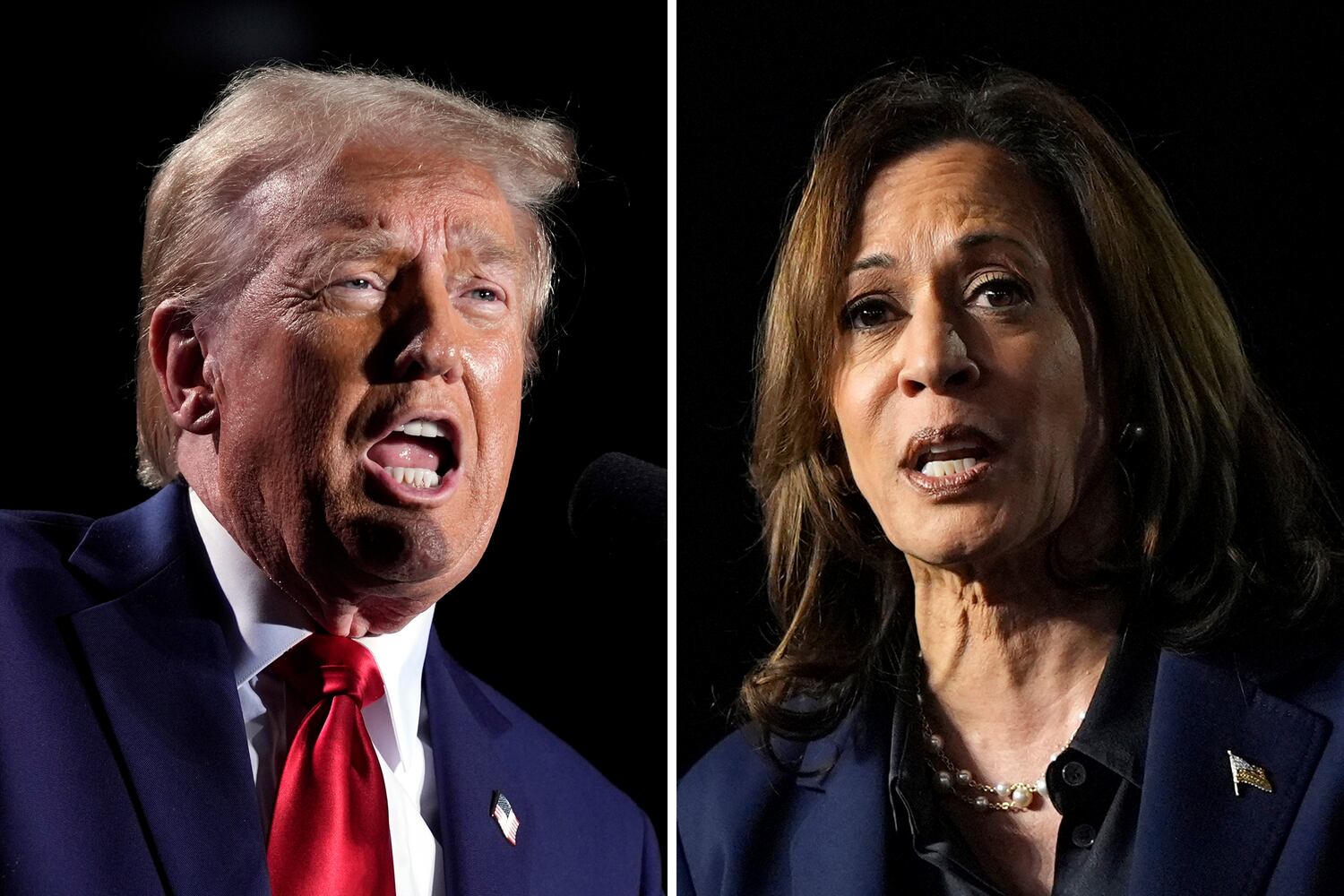
The U.S. presidential election is being keenly watched across Asia. The outcome of the race between Vice President Kamala Harris and former President Donald Trump will have a major impact on America’s relations with the region on issues like trade, security and climate change.
Radio Free Asia reporters will be gauging reactions in Asia and will regularly update this post with what we hear from regular citizens and from governments. For most part, our reporting is from countries that are under authoritarian rule.
Confidence in Taiwan; some see Trump tougher on China
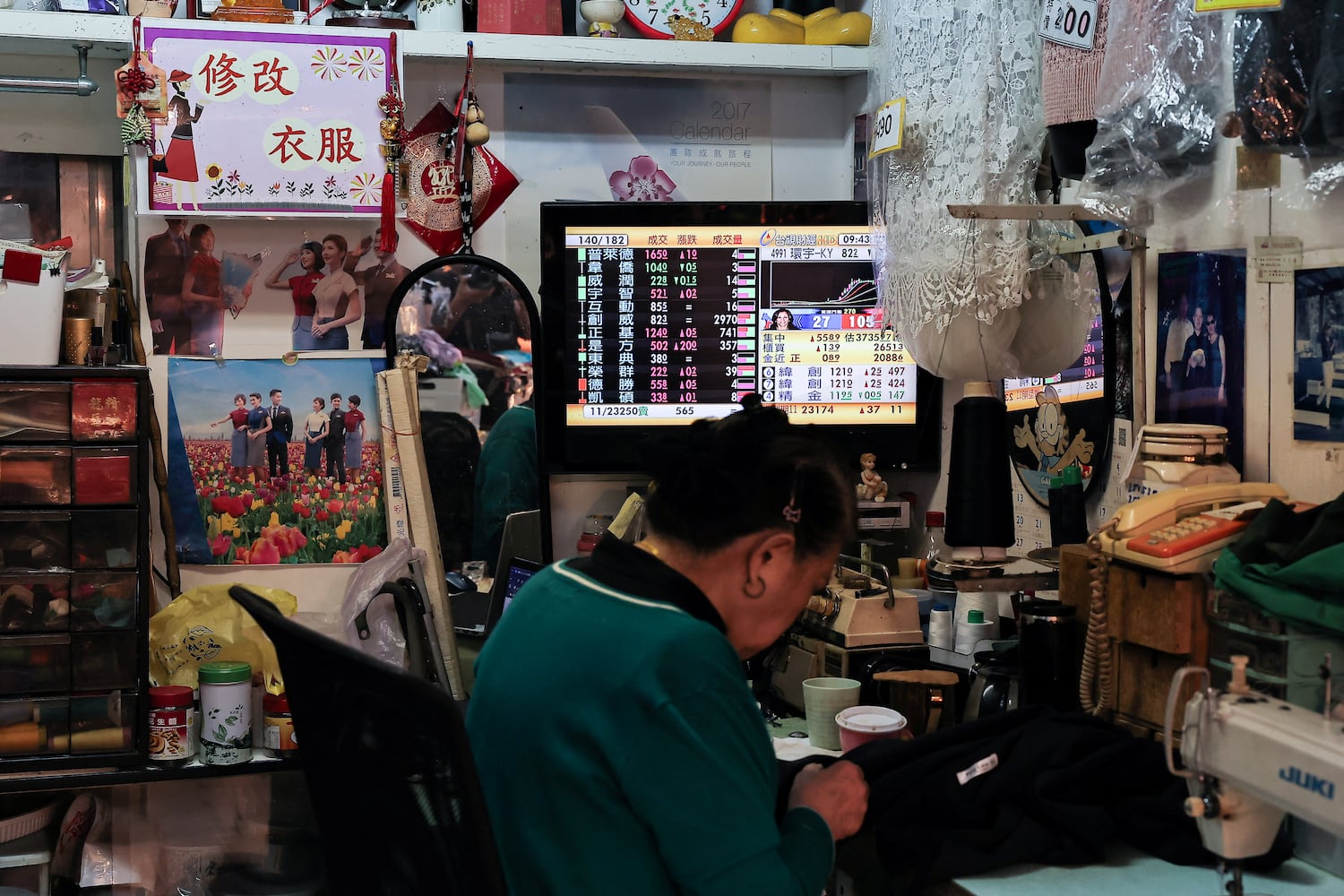
Taiwan businessman Kenneth Tse said he was confident that Taiwan-U.S. relations would remain strong no matter who won.
“Over the last few years, a de-facto alliance has been established in this part of the world between us, Japan, the U.S., and other countries, and it will remain for the foreseeable future,” Tse said.
“Whoever takes office will have to fulfill the U.S. commitment to provide us with the arms and equipment for us to protect Taiwan, simply because we’ve already paid for the order. As far as China is concerned, I don’t think the U.S. election results would trigger some immediate actions by Beijing.”
Another man in Taiwan, who identified himself as just Lee, said he thought Trump would be better president than Harris.
“He’s tougher on China and he is not easily dissuaded. But of course, he is unpredictable and we can’t ever be sure what he’ll do in future. However, he is pragmatic and doesn’t yield to pressure,” Lee said.
On Harris, he said: “I have the impression that she could be persuaded by China, so she’s not a good choice.”
“Whatever outcome of the election, China won’t react by taking action against Taiwan, because Xi Jinping himself is under a lot of pressure, such as from the border conflict with India,” Lee said, referring to China’s president.
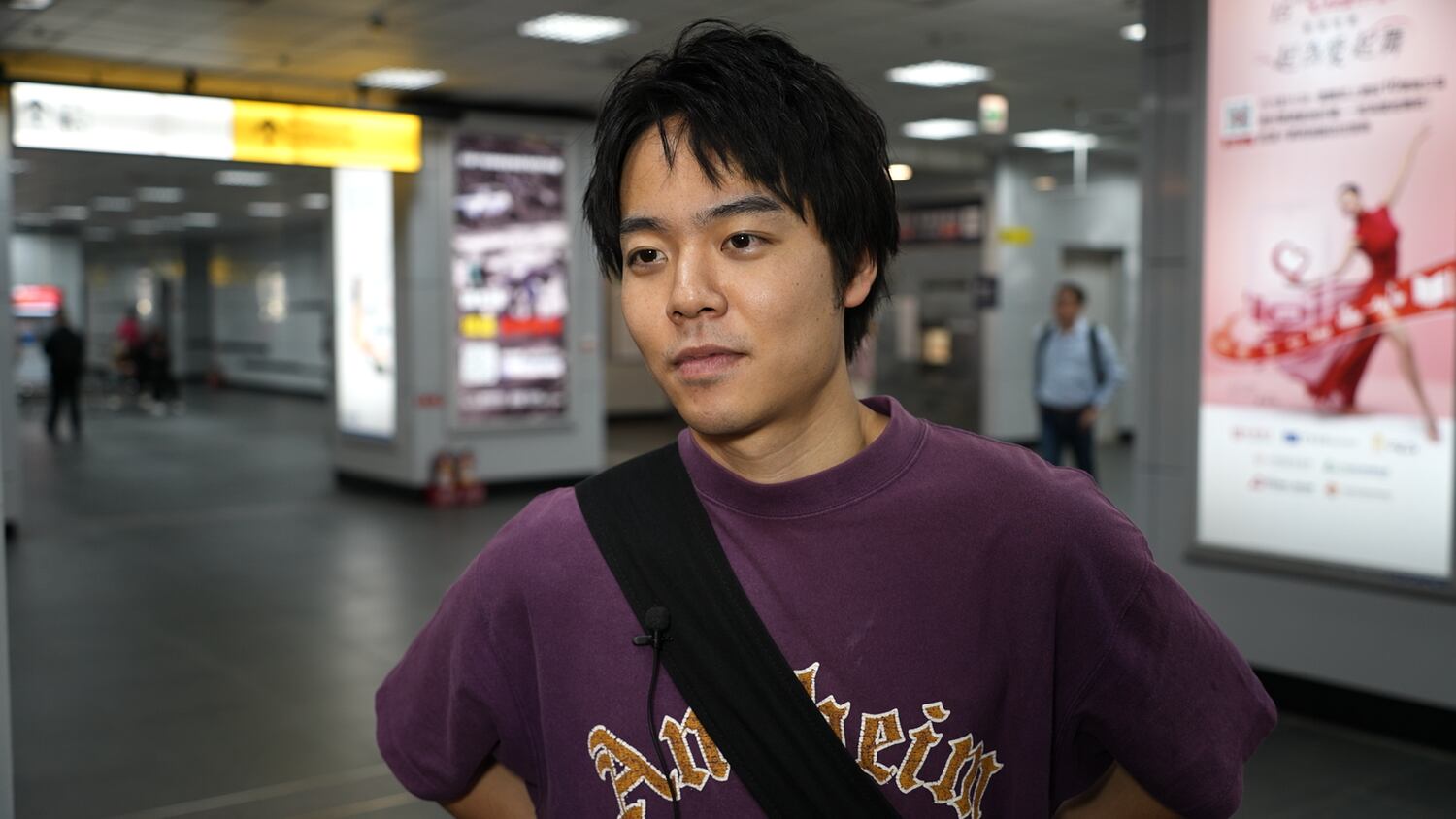
A Japanese student in Taiwan, who identified himself as just Lu, said he was hoping for a Trump victory.
“I feel that under him, America will be friendlier and more supportive of Japan, especially when we are facing tensions and there is a risk of war in East Asia. If Kamala Harris became president, that would be bad news for Japan as I think she doesn’t like Japan very much and doesn’t support us.”
Posted at 2.50 a.m. Eastern on 11/6/24
Thailand looks to fair cooperation
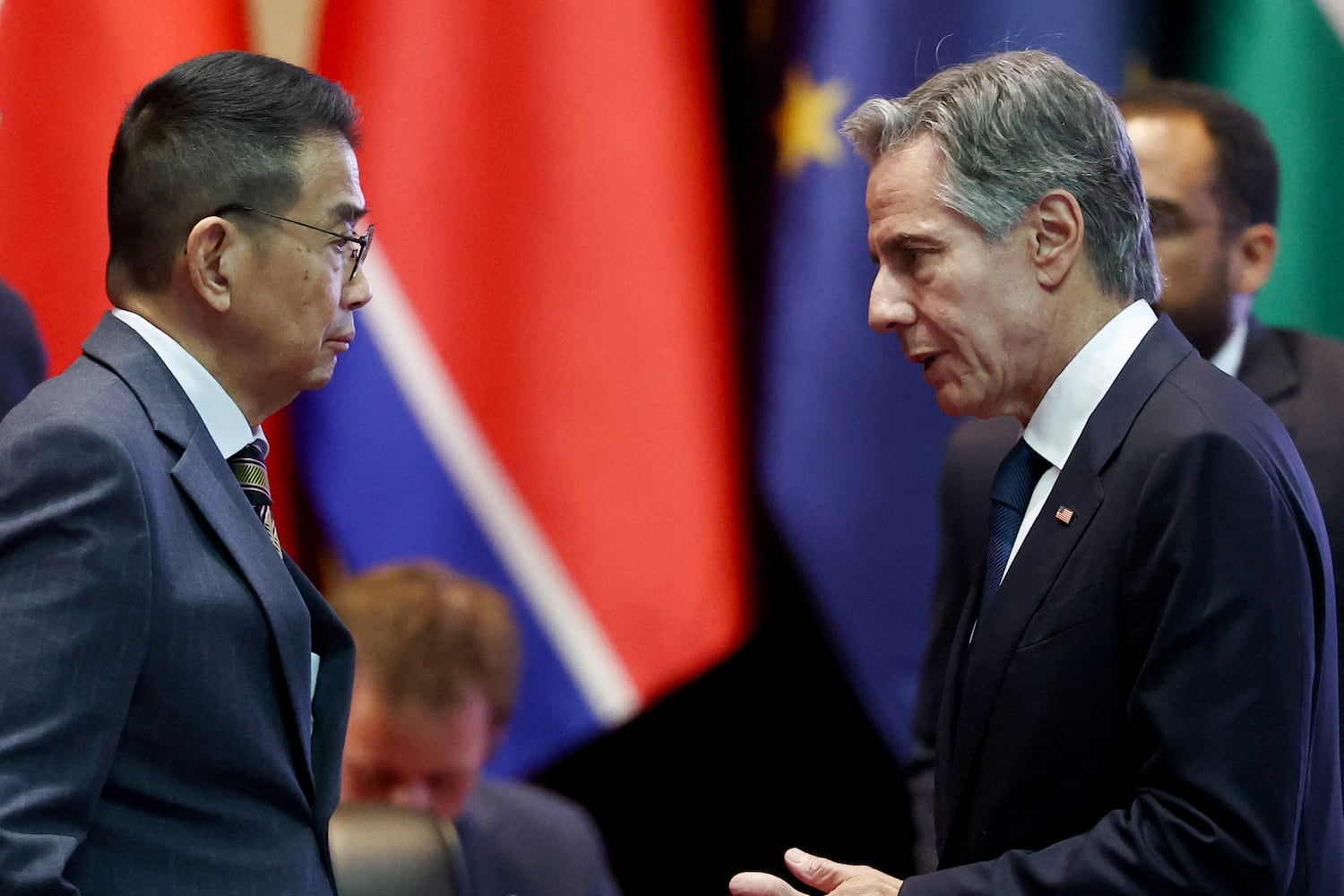
Thailand is looking forward to a stable strong relationship with the United States no matter who wins, Foreign Minister Maris Sangiamponsa told a news conference.
“This is Prime Minister Paetongtarn’s policy, for Thailand to play a role on the world stage, not to be the one dictated to on anything,” Maris said, referring to Thailand’s second woman prime minister, Paetongtarn Shinawatra.
“The government wants to see good cooperation between Thailand and all countries, and it must be fair, based on fair cooperation for the benefit of both.”
U.S. Ambassador to Thailand Robert F. Godec echoed that, saying regardless of the election outcome, the U.S. would remain Thailand’s strong partner.
“We will maintain our important relationship, which is like a fabric woven from our ties in trade, investment, security, education, and people-to-people connections,” he told the media in Bangkok.
“Thailand was America’s first friend in Asia, and our diplomatic relations date back more than 190 years. None of that will change.”
Posted at 3:30 a.m. Eastern on 11/6/24
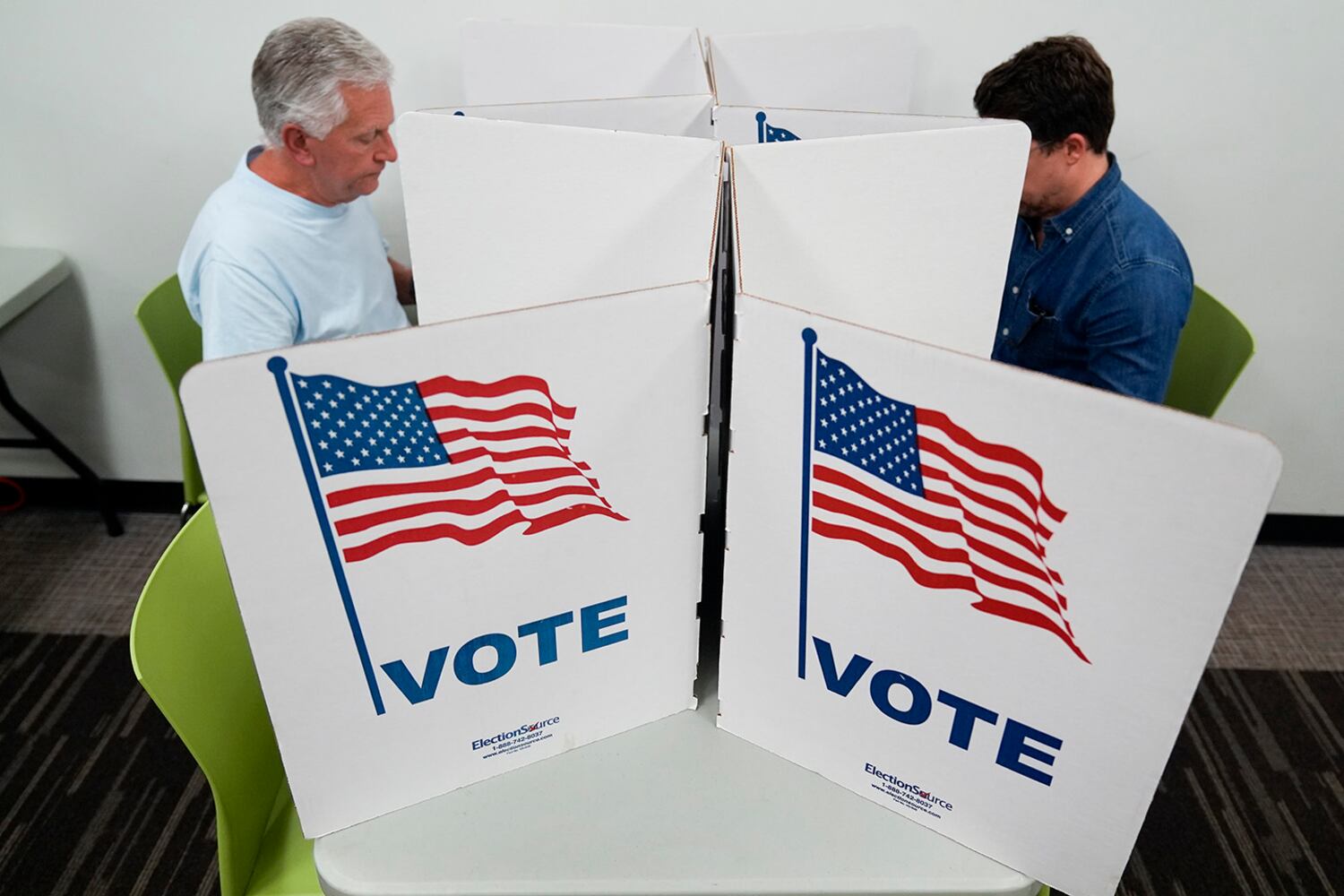
Differing approaches
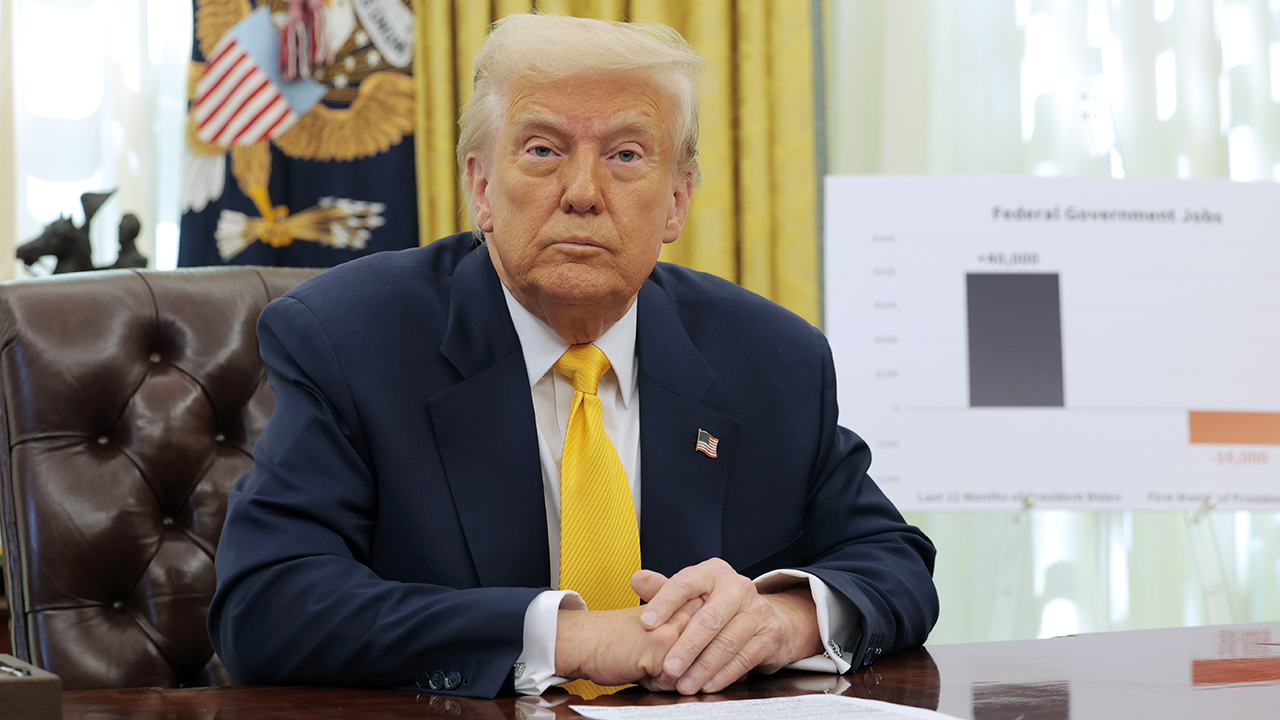
Trump and Harris offer sharply different prospects for America’s engagement with Asia and the rest of the world.
Harris has campaigned mostly on continuing the Biden administration’s focus on U.S. relationships in Asia, which seeks to deftly “manage” the growing rivalry with Beijing while building tight-knit alliances with other Asian countries worried about China’s growing military might.
Trump, by contrast, has spent less time detailing an orderly approach to foreign policy to instead argue that world leaders such as Chinese President Xi Jinping and North Korea’s supreme leader Kim Jong Un respect him more than Biden or Harris, and that a personal touch will be what matters.
The two candidates also differ on trade: Trump has threatened across-the-board tariffs on all imports into the United States, including a 60% rate on Chinese imports.
Harris says that would fan inflation. She says a more targeted series of tariffs, which are intended only to shore-up U.S. production of key items like solar panels, batteries and electric cars, is more appropriate.
Posted at 4:38 p.m. Eastern on 11/5/24
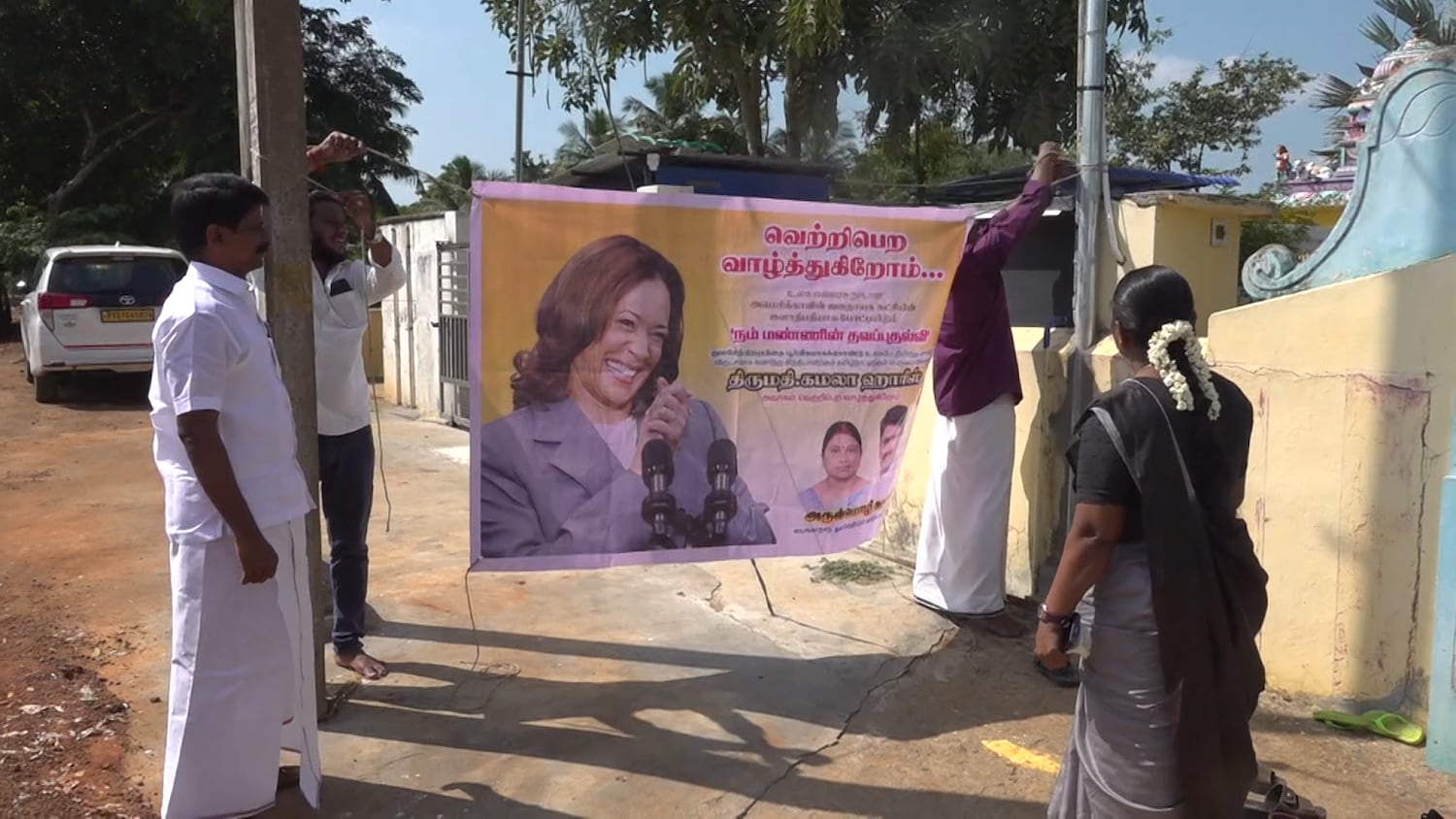
Hopes run high in Harris' ancestral village
A tiny village on the other side of the world in the south Indian state of Tamil Nadu has been offering prayers at its Hindu temple, hoping for victory for one of their own, Vice President Kamala Harris.
Harris, 60, was born in California to an Indian mother and Jamaican father, both of whom immigrated to the United States for higher education.
In the village of Thulasendrapuram – where Harris’s maternal grandfather Painganadu Venkataraman “P.V.” Gopalan was born – residents have been gathering each day at the village temple to offer special prayers to the Hindu deity Ayyanar – worshipped in rural parts of Tamil Nadu as a guardian or protector – to watch over Harris.
The residents refer to Harris as the “daughter of the land,” and say they feel a deep connection with her because of her ancestral ties to the village.
The village is decked out with signs featuring Harris‘s portrait and banners wishing her good luck in the election, which will determine whether or not she will become America’s first female president and first president of Indian descent.
“We in this village offer daily prayers for Kamala Harris to win the election,” Aruna Murli Sudhagar, the leader of the village, told Radio Free Asia.
Posted at 5:13 pm Eastern on 11/5/24
Take a moment to explore our election coverage
Deep dive: How would Harris and Trump differ on Asia?
China focuses on threat of violent unrest as US voters head to polls
US presidential election sparks curiosity in North Korea
Vietnamese show interest
In Vietnam, social media platforms are abuzz about candidates Kamala Harris and Donald Trump, and at least three newspapers are asking, “Who will be elected U.S. president?”
Nguyen Binh, a farmer in the southern province of Dong Nai, expressed surprise that Americans were free to talk openly about elections. He recalled that a number of independent candidates in Vietnam’s 2016 National Assembly election are in prison.
“I only wish for one thing: that talented people in Vietnam and virtuous people in Vietnam can run for election fully, openly, and run comfortably without being coerced,” he said. “The right to self-determination belongs to the people with their votes, not from any political party.”
Independent journalist Nam Viet said he believes that the interest shown by Vietnamese demonstrates their thirst for democracy.
“The commenting, judging, choosing sides... of Vietnamese people in the U.S. election is sometimes funny, but it shows that a desire for change is still smoldering in the hearts of the nation,” he said.
“The people must be rehearsing their right to self-determination,” Nam said, saying Vietnam holds “sham” elections.
Posted at 5:34 pm Eastern on 11/5/24
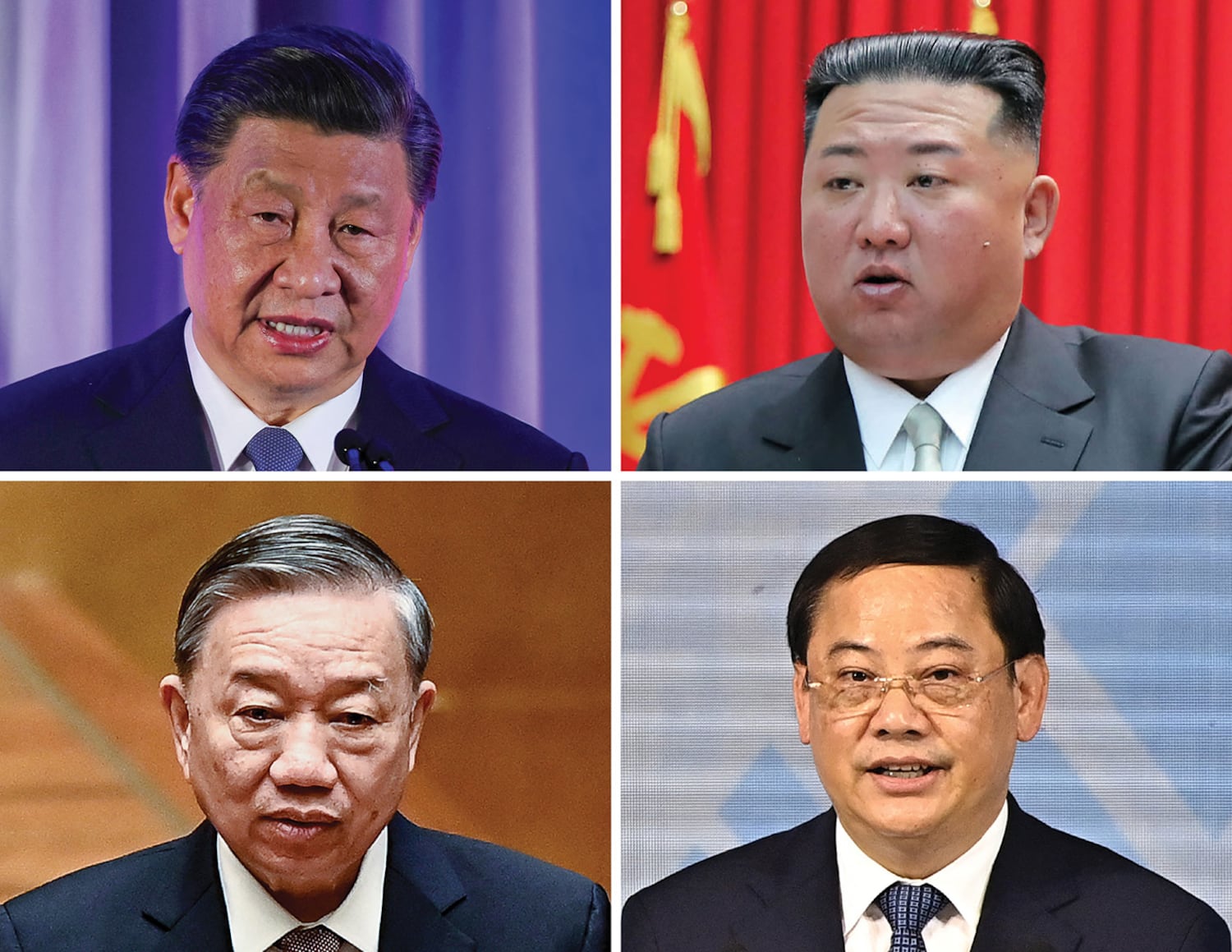
How do elections work in authoritarian Asian nations?
In a world bracing for a close U.S. presidential election result this week, a large swathe of Asia picks its leaders without suspense -- and mostly with little popular participation.
Chinese President Xi Jinping was confirmed by the National People’s Congress in March 2013 with 2,952 votes for, one against, and three abstentions. Last year the rubber stamp parliament voted unanimously to give him a third term, putting him on track to stay in power for life.
North Korea’s leaders have inherited their power from father to son for three generations. They are technically “elected” – but there is no choice. In 2014, Kim Jong Un was elected to the Supreme People’s Assembly without a dissenting vote with 100% turnout.
Fellow communist states Laos and Vietnam pursue their own variations of the same Marxist-Leninist party-state model copied from the Soviet Union, with Hanoi avoiding strongman rule in favor of collective leadership.
Cambodia has been dominated by the ruling party of Hun Sen, who banned the main opposition parties in the previous two parliamentary elections.
Myanmar held a credible multi-party election in November 2020, a vote that delivered a strong majority to the National League for Democracy of de facto national leader Aung San Suu Kyi. But the military didn’t like the results and staged a coup on Feb. 1, 2021.
Posted at 5:05 p.m. Eastern, 11/5/2024
This article has been sourced from various publicly available news platforms around the world. All intellectual property rights remain with the original publishers and authors. Unshared News does not claim ownership of the content and provides it solely for informational and educational purposes voluntarily. If you are the rightful owner and believe this content has been used improperly, please contact us for prompt removal or correction.














![SAFTAs 19: How celebs dressed to impress [photos]](https://www.thesouthafrican.com/wp-content/uploads/2026/03/Untitled-design-1.jpg.optimal.jpg?#)