Aviation on the brink: Fuel shortages threaten regional connectivity
Fuel shortages across Southern Africa threaten regional air connectivity as airlines warn of limited jet fuel supplies.

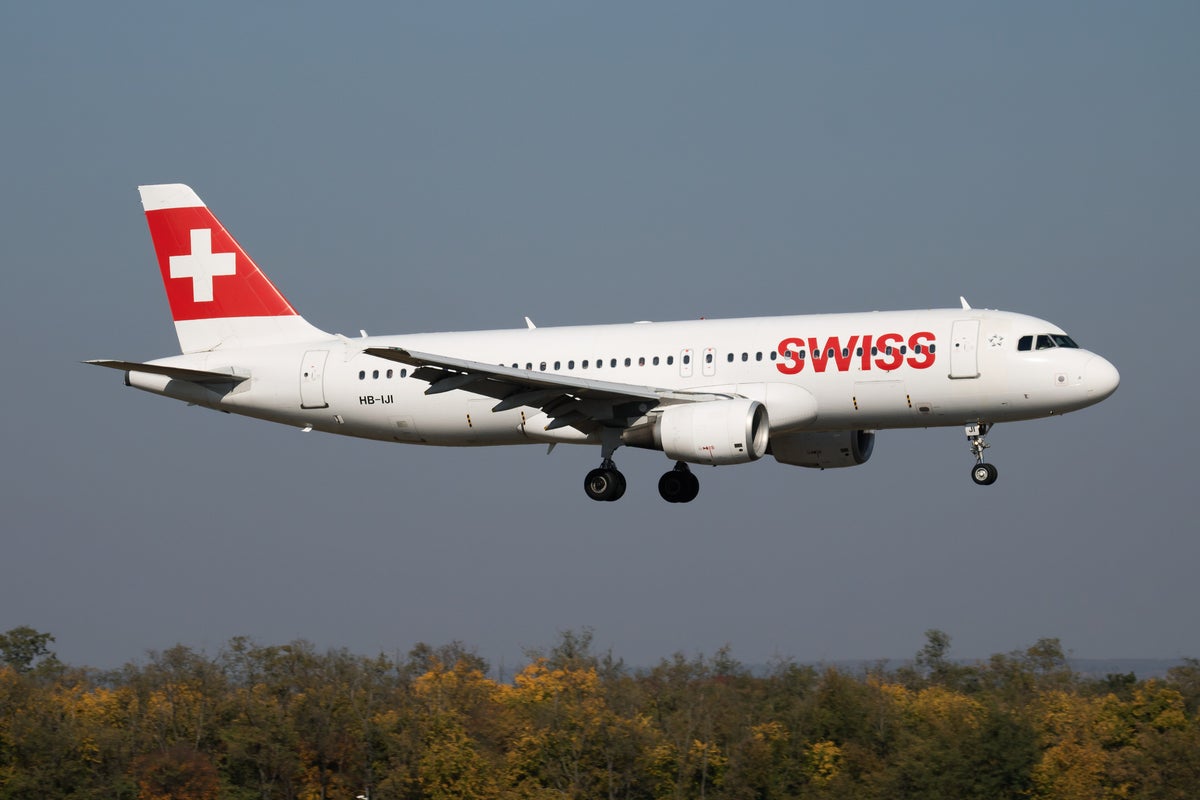
Air travel across Southern Africa is facing a growing crisis as uncertainty over jet fuel supplies threatens to disrupt regional connectivity, leaving airlines scrambling and passengers bracing for possible flight cuts.
The Airlines Association of Southern Africa has raised alarm over the lack of clarity around fuel availability beyond the next few weeks, warning that the situation could destabilise flight schedules across the SADC region.
Airlines exposed to global fuel shocks
Airlines rely almost entirely on imported crude oil and refined Jet-A1 fuel, making them highly vulnerable to global supply disruptions.
With ongoing tensions in the Gulf affecting shipments, the region’s aviation sector finds itself exposed to forces far beyond its control.
AASA chief executive Aaron Munetsi stressed the urgency of the situation, saying airlines need clear and reliable information about fuel supplies to continue operating normally.
Munetsi said airlines require certainty on the security of jet fuel supplies beyond a six-week horizon if they are to maintain their schedules and fulfil their obligations to customers.
He said, “While we hope the situation in the Gulf will be resolved sooner so fuel shipments can resume, we must safeguard aviation in case the impasse continues. With this in mind, AASA pleads with the region’s fuel suppliers, depots (including airports) and all the SADC member governments to urgently share their contingency fuel allocation and distribution plans with the aviation industry.”
Flight cuts and shrinking routes
Without that certainty, airlines have already started adjusting their operations.
Some carriers are reducing flight frequencies, while others are consolidating routes to manage limited fuel supplies.
These changes threaten to weaken regional connectivity, making it harder for people and businesses to move across borders.
Tourism, trade, and investment, all heavily reliant on efficient air travel, could take a significant hit if the situation worsens.
Essential cargo at risk
The impact extends beyond passenger travel.
Air transport plays a critical role in moving essential goods such as pharmaceuticals, perishables, and high-value cargo.
Any disruption in flight schedules could delay deliveries and increase costs, affecting industries and consumers alike.
Munetsi warned that the aviation sector cannot operate “in an information vacuum,” urging governments, fuel suppliers, and airport depots to urgently share contingency plans.
Fuel transparency and contingency planning
He called for greater transparency around available fuel stocks, incoming shipments, and the conditions under which strategic reserves could be released.
Clear communication, he said, is key to helping airlines plan and avoid sudden disruptions.
Even if supply routes stabilise, recovery will not be immediate.
Damage to refineries in the Gulf means fuel production could remain constrained for months, prolonging uncertainty across the sector.
A region at risk of fuel-driven isolation
For now, Southern Africa stands at a critical juncture.
Without swift coordination and decisive action, fuel shortages could lead to deeper flight cuts, isolate key routes, and undermine regional integration.
What began as a supply concern is rapidly evolving into a connectivity crisis, one that could reshape how the region stays linked to itself and the rest of the world.
This article has been sourced from various publicly available news platforms around the world. All intellectual property rights remain with the original publishers and authors. Unshared News does not claim ownership of the content and provides it solely for informational and educational purposes voluntarily. If you are the rightful owner and believe this content has been used improperly, please contact us for prompt removal or correction.