Soft power ‘win’ for Beijing as Chinese medical ship treats 5,400 for free in PNG
Floating hospital Silk Road Ark’s 220-day goodwill humanitarian mission ends with Port Moresby port call
UPDATED on April 15, 2026 at 10:38 p.m. ET.
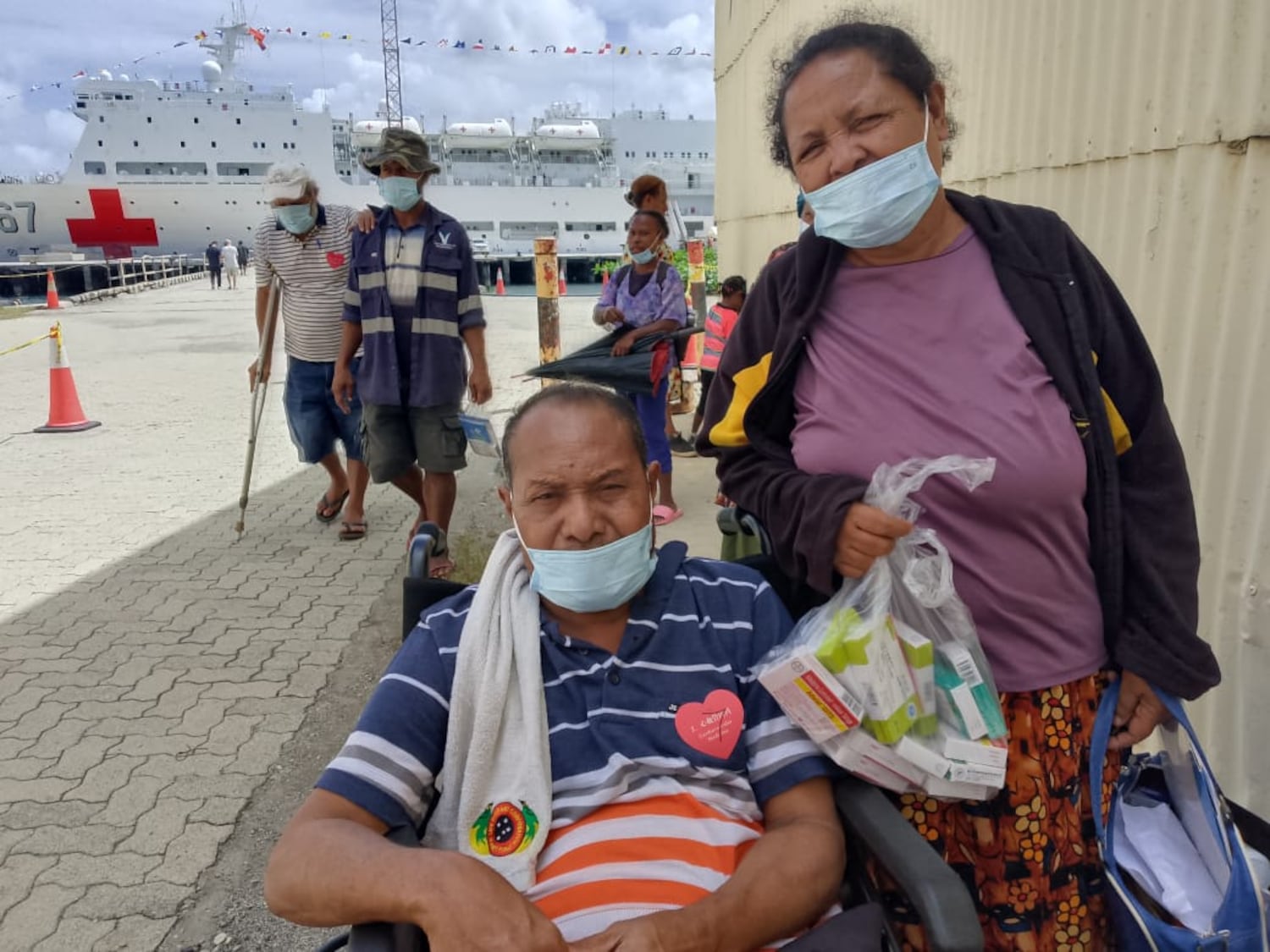
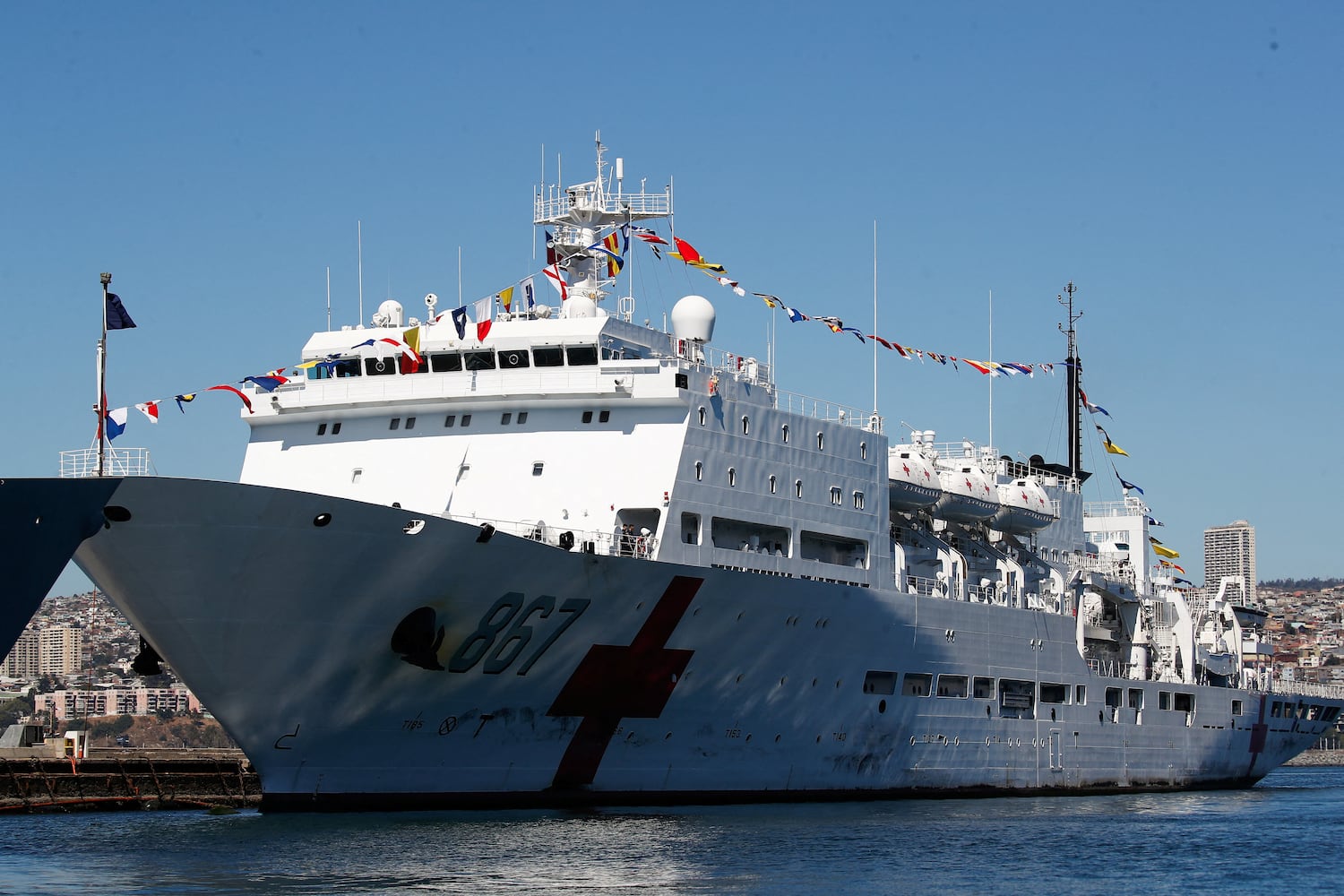
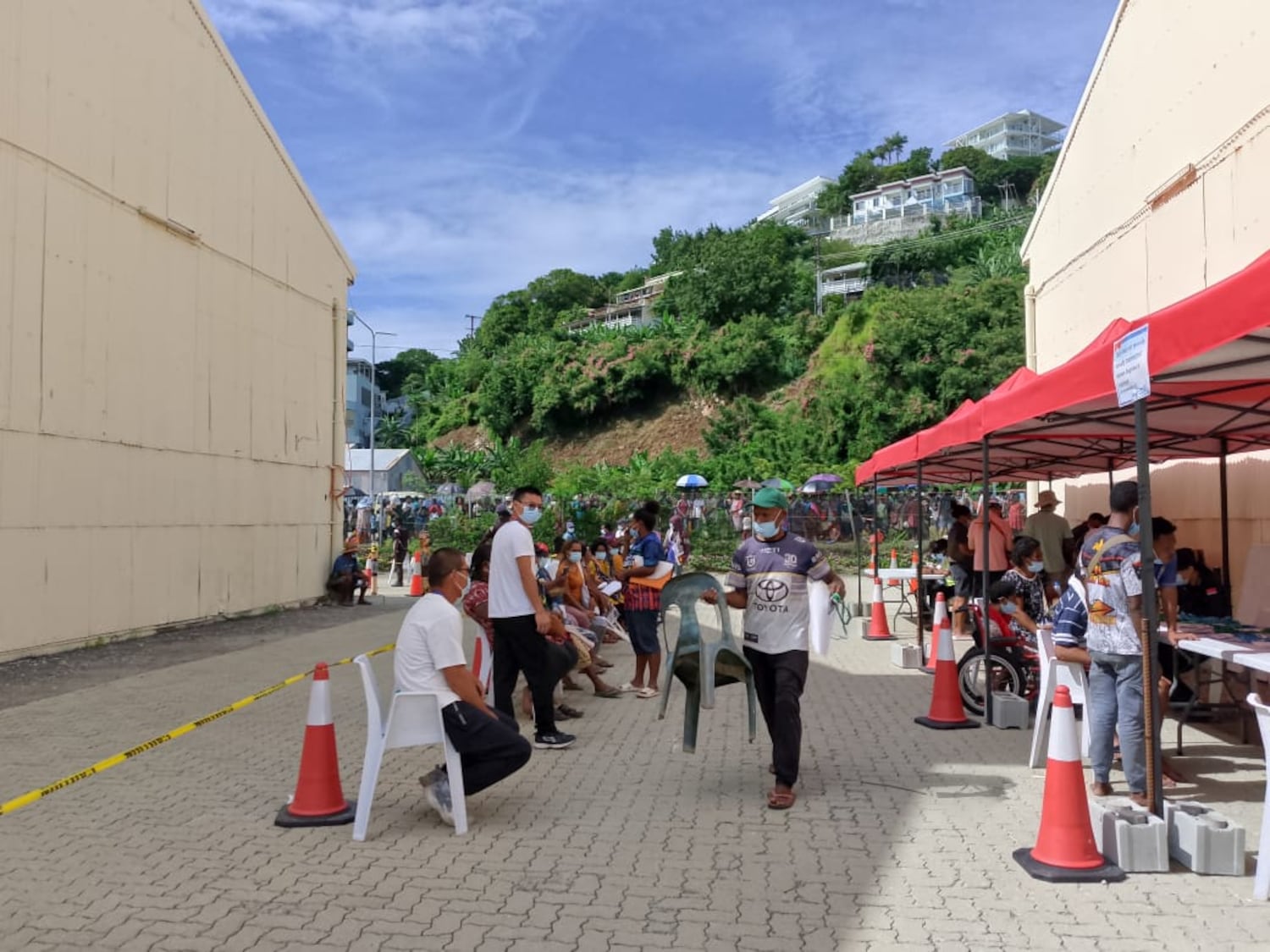
PORT MORESBY, Papua New Guinea — Thousands of sick, disabled and otherwise unwell queued at Wharf T over the past week, hoping to board a Chinese hospital ship to receive free medical care.
Some who were lucky enough to be taken in told Radio Free Asia that it was “a miracle” to receive medical services that are not available in local hospitals on board the Silk Road Ark, a type 920 hospital ship run by China’s People’s Liberation Army Navy, in town for only seven days.
After seeing its last patients Tuesday and holding a farewell ceremony on deck with PNG’s Prime Minister James Marape, the ship departed Wednesday, having completed a 220-day humanitarian mission, where it visited around a dozen countries in Latin America and the South Pacific.
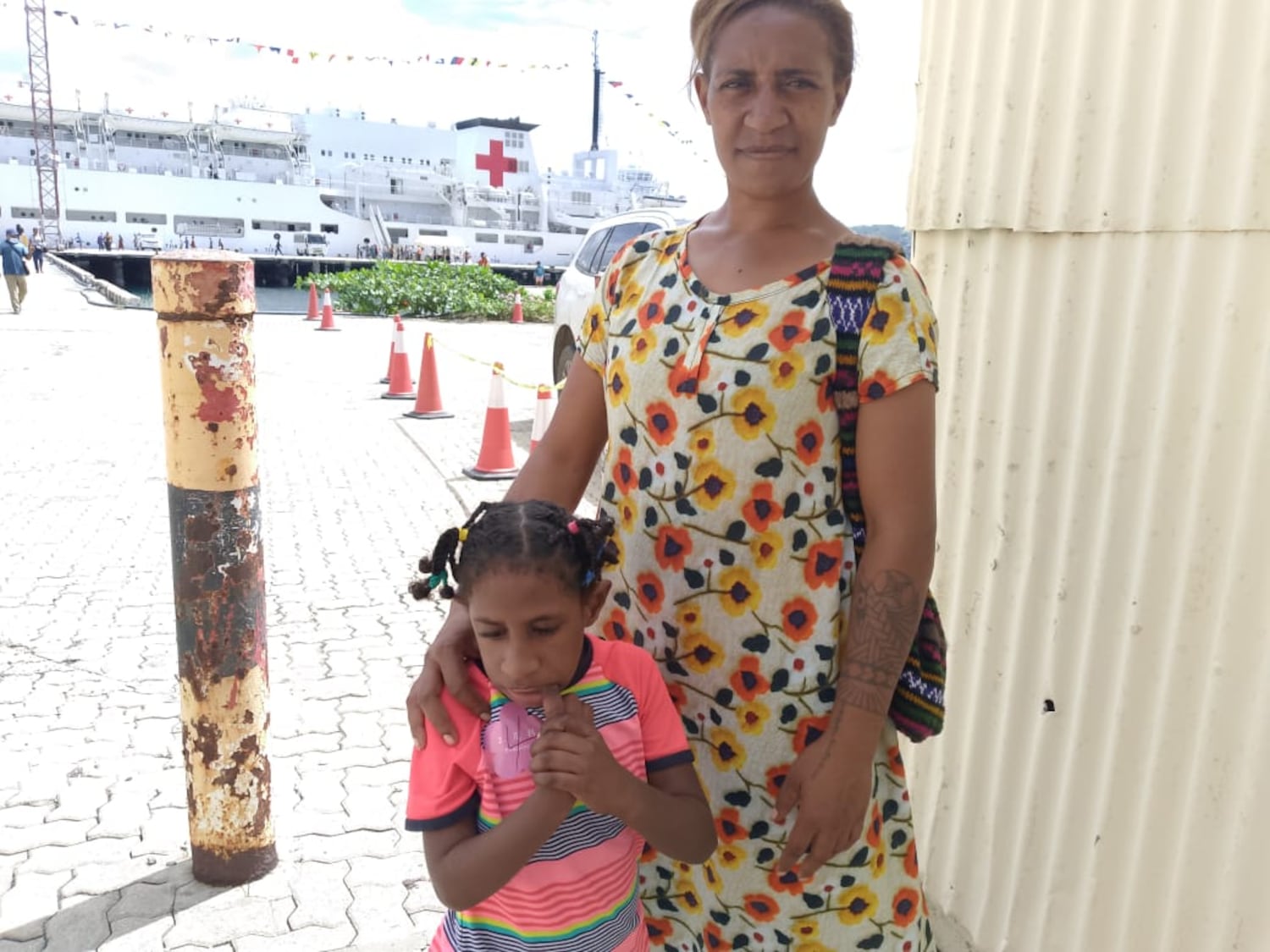
“My daughter Margaret is a sick child,” Kimberly Yanogen, a PNG resident, told RFA on Saturday. “I would have paid 1,000 kina (US$230) or more if I took her to the public hospital or private clinics here.”
She said the doctor performed a physical checkup on her daughter and advised her how to deal with her condition.
“I am so happy to be given this advice free of charge,” she said. “I would like to say thank you to the Chinese government for sending this ship here. They have made our access to service and our lives easier,” she said.
For the Papua New Guinea port call, the final tally was 5,493 patients seen, 339 surgeries performed, China’s ambassador to PNG Yang Xiaoguang reported during a speech at the ceremony.
“This is a visit that deepens friendship,” he said. “As a Chinese saying goes, ‘more exchanges will bring families and friends closer together.’”
Soft power win
Humanitarian visits by the Silk Road Ark and other Chinese hospital ships, that often include services like surgeries, are very effective soft power diplomacy for Beijing, Graeme Smith, Associate Professor at the Department of Pacific Affairs at The Australian National University, told RFA.
“It’s interesting in that it is something that China can do that probably the U.S. and Australia can’t do because of their appetite for risk, he said, noting that complications after surgery could arise and the hospital ship will not be around for post-operative care.
”So if you’re in a country where the immediate medical care is not really there to provide that kind of support then you are opening yourself up to liabilities that I think Australia and the U.S. wouldn’t be willing to take on," he said.
The U.S. Navy also sends hospital ships on goodwill missions, and they do perform surgery, but a visit of the USNS Comfort to Trinidad in August last year performed two “critical surgeries” among 46 procedures, compared to the 339 of the Silk Road Ark’s Port Moresby port call.
Smith recalled his encounter with the Peace Ark, another Chinese medical ship that visited Vanuatu as part of a previous mission.
“It’s not just the soft power of being able to offer these services but also the soft power of ‘we will train up people from your country to become doctors,’ and to be fair I don’t think America in particular does enough of that, or Australia,” he said. “It is an easy win.”
Missions carried out by Chinese hospital ships in the Pacific however “risk undermining health sovereignty by reinforcing dependence on external providers,” Malika Knapp, a fourth-year student at the Australian National University wrote in an article published by the Australian Institute of International Affairs in March.
“Medical assistance and defense objectives are closely intertwined, with free treatment serving to normalize a foreign military presence while advancing China’s geopolitical aims,” Knapp wrote. “But from a health systems perspective, the benefits are immediate but fleeting.”
Long lines
On Tuesday, the final day that the Silk Road Ark was performing medical services, residents at a local marketplace told RFA that people have even slept at the wharf overnight to try to get on the ship.
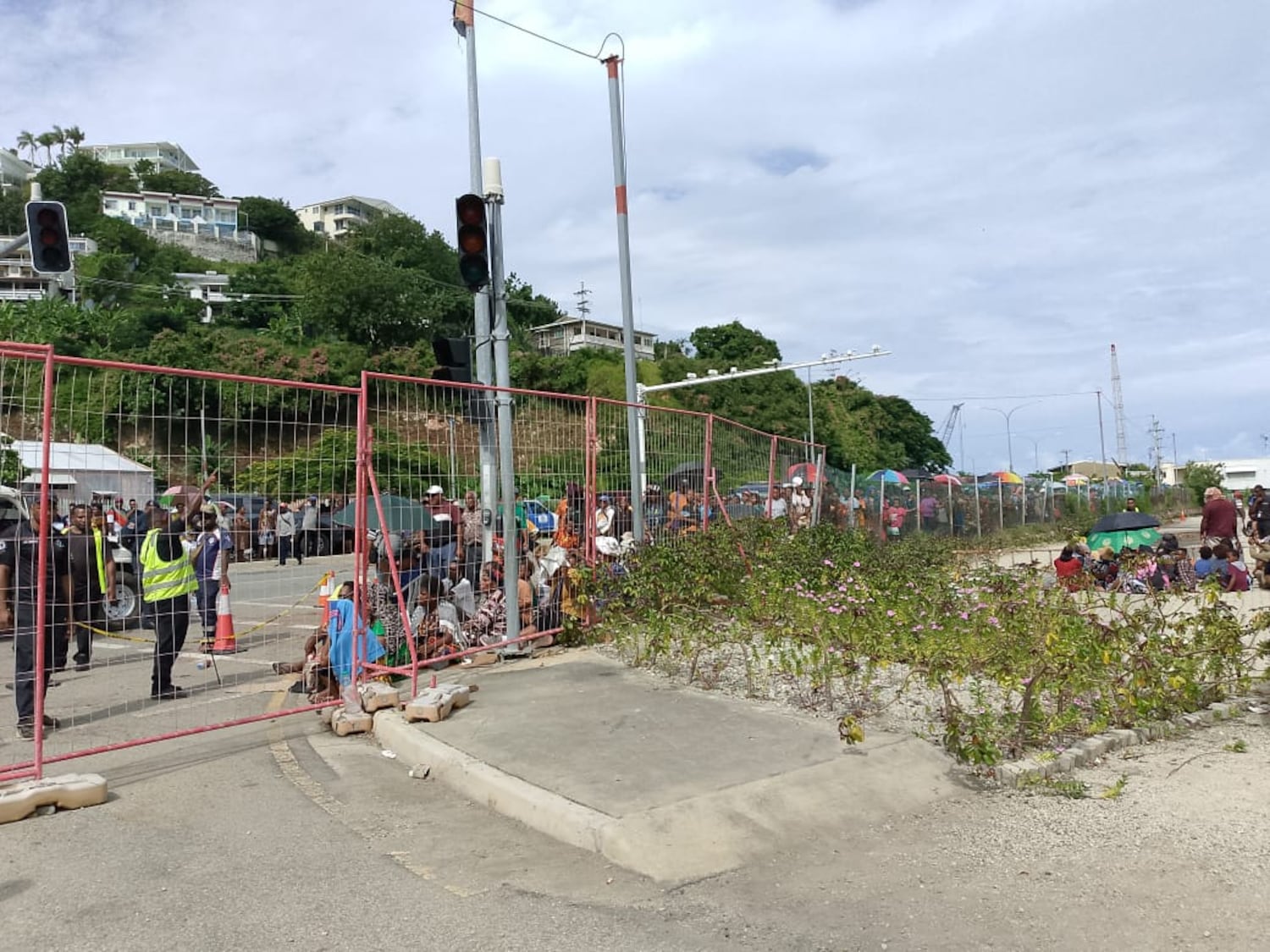
“I want to take my husband for an eye check on the China ship,” a resident identified only by her given name Grace, told RFA. “I hear all the medical services are free and; there are lots of people waiting in lines so long, but people are sleeping outside the gate to be early enough to get a pass in.”
Some waited long hours to be seen, but told RFA that they left the wharf empty handed.
“I am so worried and disappointed,” said Sherina, who had visited with her husband on Saturday hoping to remove a lump. They were told to instead visit Port Moresby General Hospital, or PMGH.
Enno Awoi, a diabetic, and her husband, who has been immobile since 2003 when he suffered a stroke, waited in line since 1 a.m. on Saturday. She was given medicine to manage her condition, and they referred her husband’s case back to PMGH.
For Junior Pule, who has high blood pressure, filling out the intake forms was so difficult that he asked RFA for assistance.
But residents who assisted with the Silk Road Ark’s visit told RFA they were glad they were able to help.
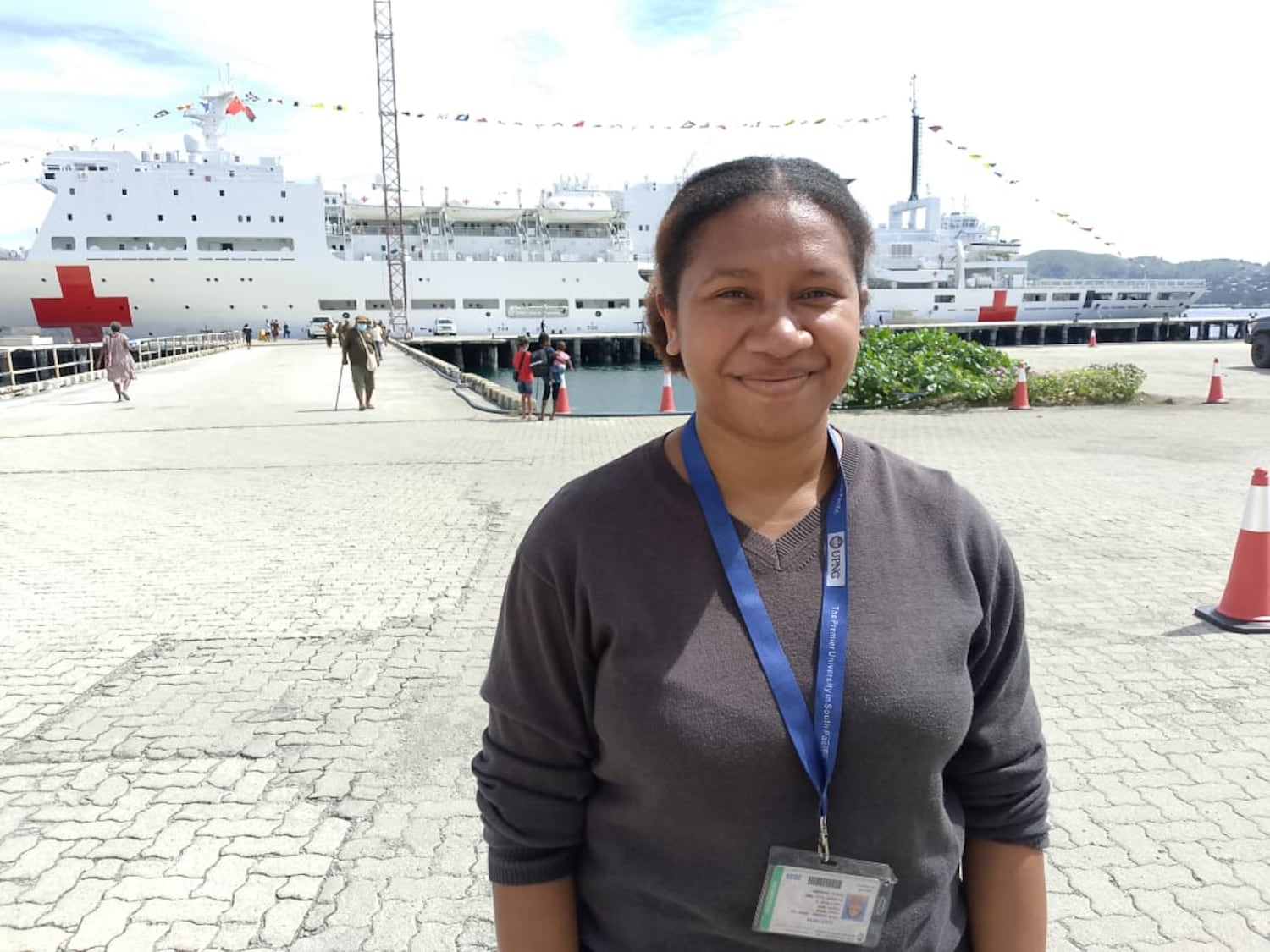
“It was a good experience for me,” Ayisha Gizoria, a dentistry student in her final year at the University of Papua New Guinea, who volunteered at the pre-boarding triage station, told RFA. “As volunteers we come and do the job for free. We don’t get paid. We do it because we have the heart and empathy to help the sick people around us.”
Ronald Jack, who served as a security guard, said he was happy to witness thousands of the country’s ill come for medical help. He told RFA he wanted to thank the Chinese government.
Though there were many positive reviews on social media, some on wrote that it was “not heartwarming” to see families queuing overnight for basic medical services provided by a foreign entity, adding that it exposed the fact that their own government could not provide these services.
Giving free medical services is “pretty effective, the caveat being that it’s sugar-hit effective,” Smith said. “So they’re there for five days and then you don’t see them for a couple more years.”
But regardless of the mission’s ineffectiveness in terms of long-term health outcomes, Smith said it was “money well spent in terms of building goodwill.”
Edited by Charlie Dharapak.
Update corrects the date that RFA interviewed people in front of the Silk Road Ark.
This article has been sourced from various publicly available news platforms around the world. All intellectual property rights remain with the original publishers and authors. Unshared News does not claim ownership of the content and provides it solely for informational and educational purposes voluntarily. If you are the rightful owner and believe this content has been used improperly, please contact us for prompt removal or correction.













/cloudfront-us-east-1.images.arcpublishing.com/gray/RDUJBOYFCBAXRCGGFYQPQNOF5Q.jpg)